









Top FIFA World Cup 2026 Matches Fans Are Waiting For
The definitive continental masterclass: tactical blueprints, geographic clustering, squad workloads, and the blockbuster rivalries defining the grandest soccer event in history.
- A Record-Breaking Continental Stage: The upcoming summer marks the historical debut of the expanded 48-team framework, increasing the absolute match calendar to 104 matches across Canada, Mexico, and the United States.
- Geographic Clustering: To mitigate the massive travel demand across three time zones, three localized divisions (West, Central, East) will base the initial group stages, protecting physical recovery lines.
- Blockbuster Fixtures: High-profile clashes like England vs. USA, an epic potential final meeting between Messi and Ronaldo, and high-altitude battles at the Azteca represent the ultimate fixtures fans are eagerly anticipating.
- Physical Toll & Workloads: Transitioning from heavy domestic club calendars to an eight-match path for finalists creates severe physical demands, making squad rotation and active sports science crucial.
1. The Dawn of the 48-Team Era: A Continental Awakening
The global game is undergoing its most radical transformation since the final decade of the twentieth century. As soccer academies, high-performance coaching groups, and international tactical minds synchronize their preparations, the world is holding its collective breath. The expanded summer showcase will witness the historic debut of the **48-team format**, representing an unprecedented scale of international athletic competition. When the tournament kicks off, the pool of 2026 fifa world cup qualified teams will step onto North American turf, bringing together a vast, colorful mosaic of playing cultures, tactical principles, and world-class athletes.
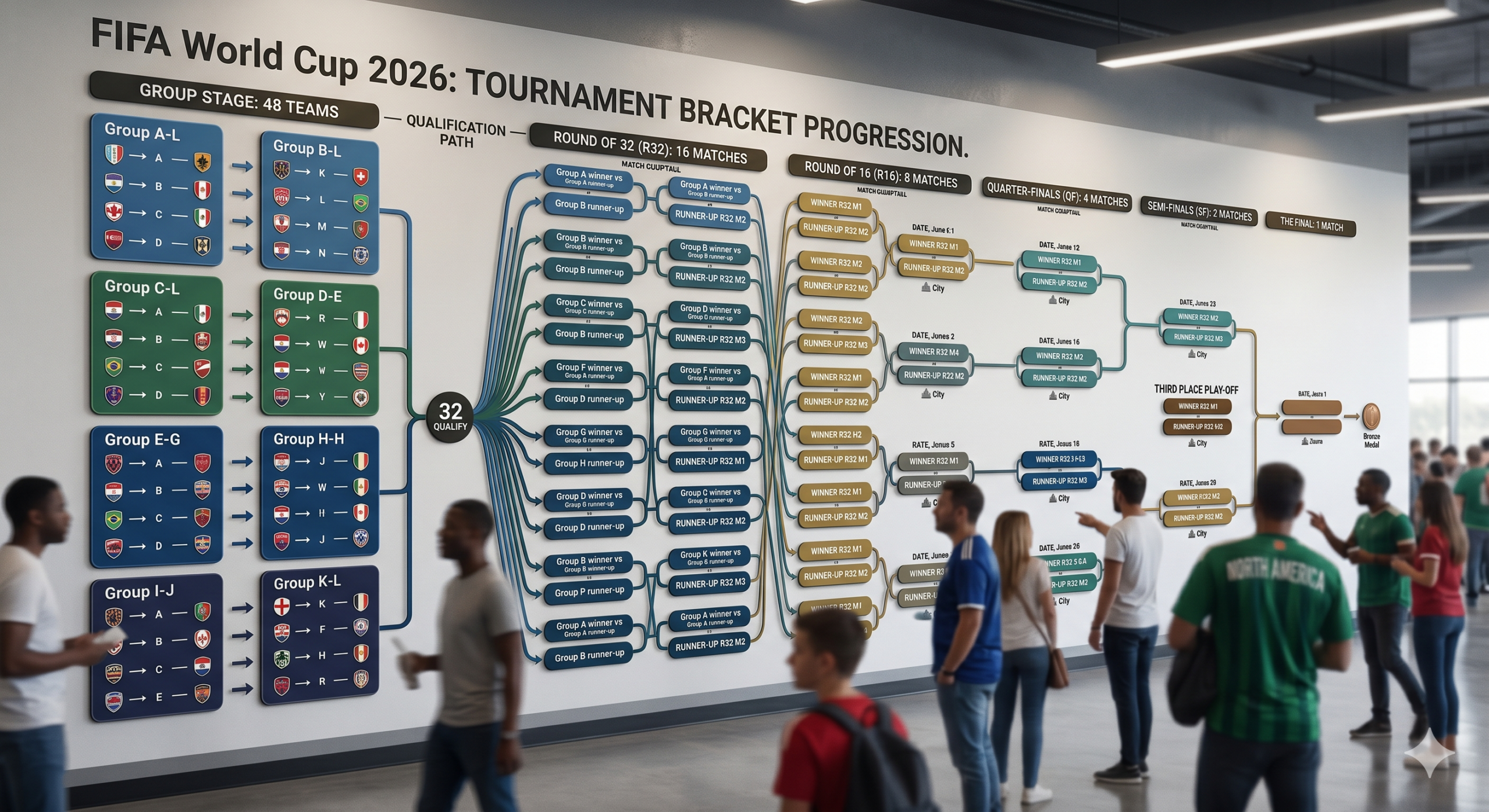
Historically, international tournaments operated within a tight, highly exclusive 32-team framework. This new expansion to 48 nations represents a bold, progressive leap, increasing the total match schedule from 64 to a staggering **104 fixtures**. The 2026 fifa world cup qualified teams list includes nations representing every corner of the planet, providing underdogs and traditional giants alike the opportunity to write their names in sports history. The teams will be organized into **12 groups of four squads**. The top two teams from each group, along with the eight best third-placed teams across the entire group phase, will advance to a newly introduced, high-stakes **Round of 32 knockout stage**.
For the participating soccer teams fifa world cup squads, this massive scale introduces extraordinary tactical and physical demands. Reaching the final on July 19, 2026, at MetLife Stadium in New Jersey will now require playing **eight matches** instead of the traditional seven. Depth of squad, active player rotation, recovery science, and the ability to adapt to distinct regional climates will determine who hoists the golden trophy. This is the ultimate stage where national icons are forged and historical rivalries are renewed in real-time.
The cognitive acceleration required by modern players in this new framework cannot be overstated. Managers are designing dynamic tactics to handle distinct tactical setups, as the expanded tournament format brings in unique profiles of teams that traditional powerhouses rarely face in continental qualifiers. By combining standard possession structures with aggressive physical pressing sequences, modern teams are redefining international competition.
Adding an extra knockout round creates a highly challenging environment for sports science departments. Coaching staffs are moving away from traditional double training sessions during the tournament, opting instead for advanced active recovery cycles, localized cold plunge therapies, and localized hyperbaric oxygen chambers to maintain peak athletic performance across an eight-match campaign.
2. Confederation Crossfires: How the World’s Best Earned Their Slots
The path to the ultimate stage represents one of the most grueling, emotionally charged journeys in professional sports. Over a multi-year qualifying period, hundreds of teams battled across six continental zones. Although early reports during the qualifying campaign stated that fifa world cup qualifying concludes with thirty teams already qualified, the final, exhausting phases of the qualifying campaigns populated the full, historic 48-team roster. Each confederation offered its own distinct challenges, ranging from high-altitude battles in South America to intense climates in Africa and high-pressure tactical struggles in Europe.
Let us analyze the final slot distributions and the teams representing each continental confederation:
| Confederation | Direct Slots | Qualifying Champions & Giants | Tactical Identity | Average FIFA Ranking |
|---|---|---|---|---|
| **UEFA (Europe)** | 16 | France, England, Spain, Germany, Italy, Portugal | Fluid positional play, high-speed transitions, double-pivot box | **Top 10 Average** |
| **CONMEBOL (South America)** | 6.5 | Argentina, Brazil, Uruguay, Colombia, Ecuador | High-intensity pressing, defensive grit, individual creativity | **Top 15 Average** |
| **CAF (Africa)** | 9.5 | Senegal, Morocco, Nigeria, Egypt, Ivory Coast | Athletic transitions, physical resilience, compact mid-blocks | **Top 25 Average** |
| **CONCACAF (North America)** | 6.5 (incl. 3 hosts) | United States, Mexico, Canada, Costa Rica, Panama | Direct vertical attacking, high-energy wing play, home advantage | **Top 30 Average** |
| **AFC (Asia)** | 8.5 | Japan, South Korea, Iran, Australia, Saudi Arabia | Highly disciplined technical execution, rapid counter-pressing | **Top 40 Average** |
| **OFC (Oceania)** | 1.5 | New Zealand | Direct physical setups, defensive low-block architectures | **Top 80 Average** |
Through the grueling 2026 fifa world cup qualification teams campaign, we saw traditional powerhouses secure their expected slots, while emerging underdogs fought their way onto the bracket. To determine which teams will participate in fifa world cup play, soccer authorities implemented rigorous seeding categories based on the official fifa world cup teams ranking system.
The resulting seeding layout ensures that the groups are highly balanced, preventing early pools of death and guaranteeing that the initial group stages feature highly competitive matches. The final list of fifa world cup 2026 qualified teams represents a perfect blend of rich historical pedigree and emerging global ambition, setting the stage for a spectacular summer.
The multi-layered campaigns also saw significant individual achievements. In South America, the fifa world cup qualifiers conmebol players put on a masterclass in defensive resilience and rapid counter-attacks, led by technical midfielders operating in deep roles. In Europe, the fifa world cup european qualifiers players demonstrated their tactical maturity, executing highly advanced positional rotations. Meanwhile, the emerging talent pool of the fifa world cup african qualifiers players brought unmatched athletic power and high-speed verticality to the table, ensuring that the final roster of fifa world cup qualified teams is the most physically capable in sports history.
The High-Stakes Intercontinental Playoff Mini-Tournament
To finalize the roster of participating squads, FIFA has scheduled a groundbreaking **Intercontinental Playoff** mini-tournament. This high-pressure event features six select teams representing five confederations (excluding UEFA, plus one additional slot for the host confederation CONCACAF) competing in direct elimination fixtures.
Hosted in selected North American venues as a crucial organizational test event, this mini-tournament is characterized by extreme high-pressure environments, where even a minor tactical slip means elimination. The survival of these final contenders demonstrates the sheer competitiveness of the modern global game, as squads representing distinct tactical cultures clash for the final two golden entries.
3. Positional Rotation & Spatial Control: Tactical Evolutions in 2026
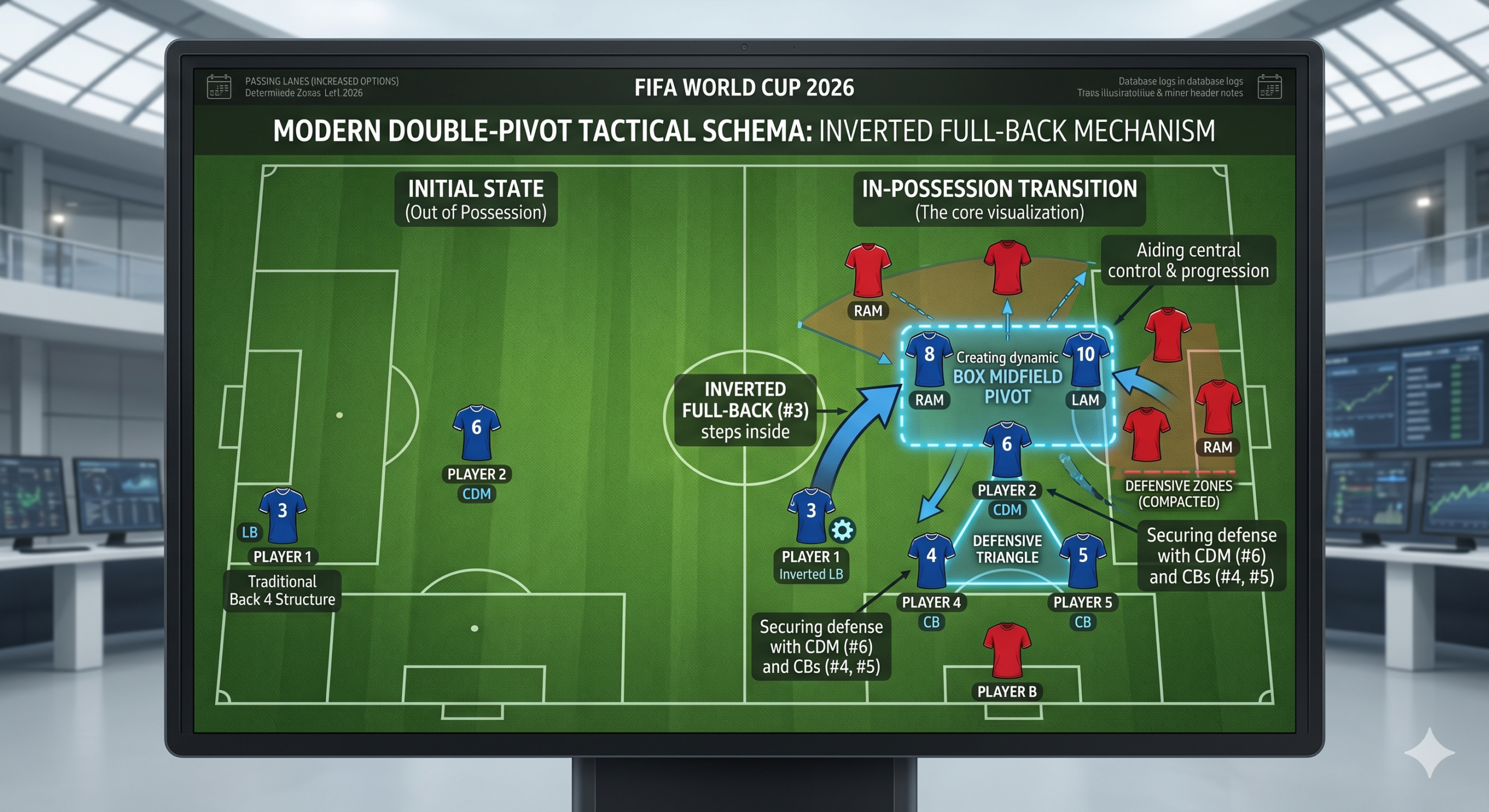
While executive committees coordinate logistics behind the scenes, the grass pitches of the world’s leading leagues have served as high-speed laboratories for tactical experimentation. The current season has witnessed the complete normalization of the **double-pivot box midfield**, representing the most significant structural development in modern football in over a decade.
Historically, international managers relied on a single defensive midfielder (a standard “number 6”) to protect the backline. However, in 2026, with the physical acceleration of transitions and the prevalence of highly intelligent inside forwards, a single defensive anchor is easily bypassed. The modern tactical response among the leading **2026 fifa world cup teams** has been the creation of a structured four-man defensive block in possession, typically established by tucking an inverted full-back or an advanced center-back alongside the primary defensive midfielder.
This dual-pivot box midfield provides dual benefits:
- **Central Overloads:** By placing four players in a central box structure, teams can easily bypass the opponent’s initial pressing lines, creating clean passing lanes into the half-spaces for advanced creative playmakers.
- **Rest Defense Security:** With four players positioned behind the ball in central zones, the team is perfectly structured to suffocate opposition counter-attacks at the point of origin, turning potential transitions into secondary waves of attack.
This tactical evolution has put a premium on the versatility of fifa world cup players. A modern midfielder must be capable of recovering possession, progressive carrying under pressure, and executing precise passes in tight spaces. Stiff positional roles are obsolete; fluid spatial occupation is the new global standard.
We must also highlight the physiological conditioning required for this system. Players operating in the box midfield must possess elite cognitive processing limits, scanning their surroundings continuously to identify passing lanes while executing heavy defensive tracking workloads. The physical stamina demanded of wing-backs who must tuck inside during build-up and recover wide zones during transitions represents the absolute peak of modern sports conditioning.
Watch how modern playmakers operate. By positioning themselves precisely between the opposition’s full-backs and central defenders, they force defenders into difficult decisions. If a defender steps out to press, space immediately opens behind them for vertical runs; if they drop back, the playmaker is granted time to turn and deliver a dangerous diagonal cross.
4. Spacing and Travel Logistics: The Spacing Ratios of Regional Clusters
Co-hosting a tournament across three massive sovereign nations—spanning thousands of miles from Vancouver to Mexico City—introduces unprecedented travel challenges. To protect player welfare, reduce carbon footprints, and allow fans to base themselves in one geographic region, organizers have implemented a clever **geographic regional clustering** system.
The 16 host venues are organized into **three distinct geographic divisions: West, Central, and East**. Under the official fifa world cup team schedule, teams will play all their group-stage matches within their assigned regional hub, protecting player fitness, reducing flight fatigue, and ensuring stable recovery windows.
Let us look at how the clusters are structured:
- **The Western Cluster (Vancouver, Seattle, San Francisco, Los Angeles, Guadalajara):** A Pacific corridor characterized by modern tech-driven stadium operations, cool coastal breezes in the north, and warm environments in the south.
- **The Central Cluster (Monterrey, Mexico City, Houston, Dallas, Kansas City, Atlanta):** The footballing heartland, featuring massive retractable dome stadiums, highly passionate stadium crowds, and high-altitude challenges in Mexico.
- **The Eastern Cluster (Toronto, Boston, New York/New Jersey, Philadelphia, Miami):** A dense metropolitan corridor of financial capitals, rich sports heritages, and immediate transatlantic flight access.
This clustering approach ensures that a squad assigned to the Western cluster will only travel between Seattle, Vancouver, and California during the group phase, maintaining peak physical readiness. The layout is designed to let both the squads and the fans *experience the world* in comfort and safety.
Furthermore, transit boards in major hub cities have coordinated dedicated high-speed shuttle systems to connect stadium zones directly to metropolitan airports and central rail stations. By utilizing these integrated public transport corridors, visiting supporters can avoid complex highway traffic while minimizing environmental footprints during their continental tour.
5. Spotlight on Team USA: High-Intensity Transitions on Home Turf
As the primary host nation, the spotlight shines brightest on the **United States Men’s National Team (USMNT)**. Attending matches featuring fifa world cup team usa represents one of the most highly anticipated targets of the summer. Operating under a highly modern, transition-oriented coaching staff, the host squad has developed a distinct athletic identity designed to exploit the home atmosphere.
Tactically, the hosts deploy a highly aggressive **4-3-3 high-pressing system** that transitions into a fluid 3-2-4-1 during build-up phases. The key to their strategy lies in their dynamic, highly athletic wing play. The wingers are instructed to hug the touchline to stretch opposition defensive lines, while the full-backs make vertical underlapping runs to create central overloads.
The core of the host roster has been forged through highly competitive international leagues, with many starting players operating at the absolute pinnacle of European club football. These elite performers have also benefited from extensive development pipelines, with many rising directly from domestic academies and the high-performance coaching programs of the fifa world cup concacaf qualifiers players pool.
Tactical Midfield Engine: Key USMNT Profiles
The tactical execution of the USMNT’s transition strategy relies heavily on their dynamic midfield pivot. Operating as the primary ball-carrier, the central midfielder must combine defensive recovery metrics with progressive passing range. The team’s leading inside forward, playing in a advanced left-wing role, is instructed to cut inside and occupy the half-spaces, leaving wide channels open for overlapping full-backs.
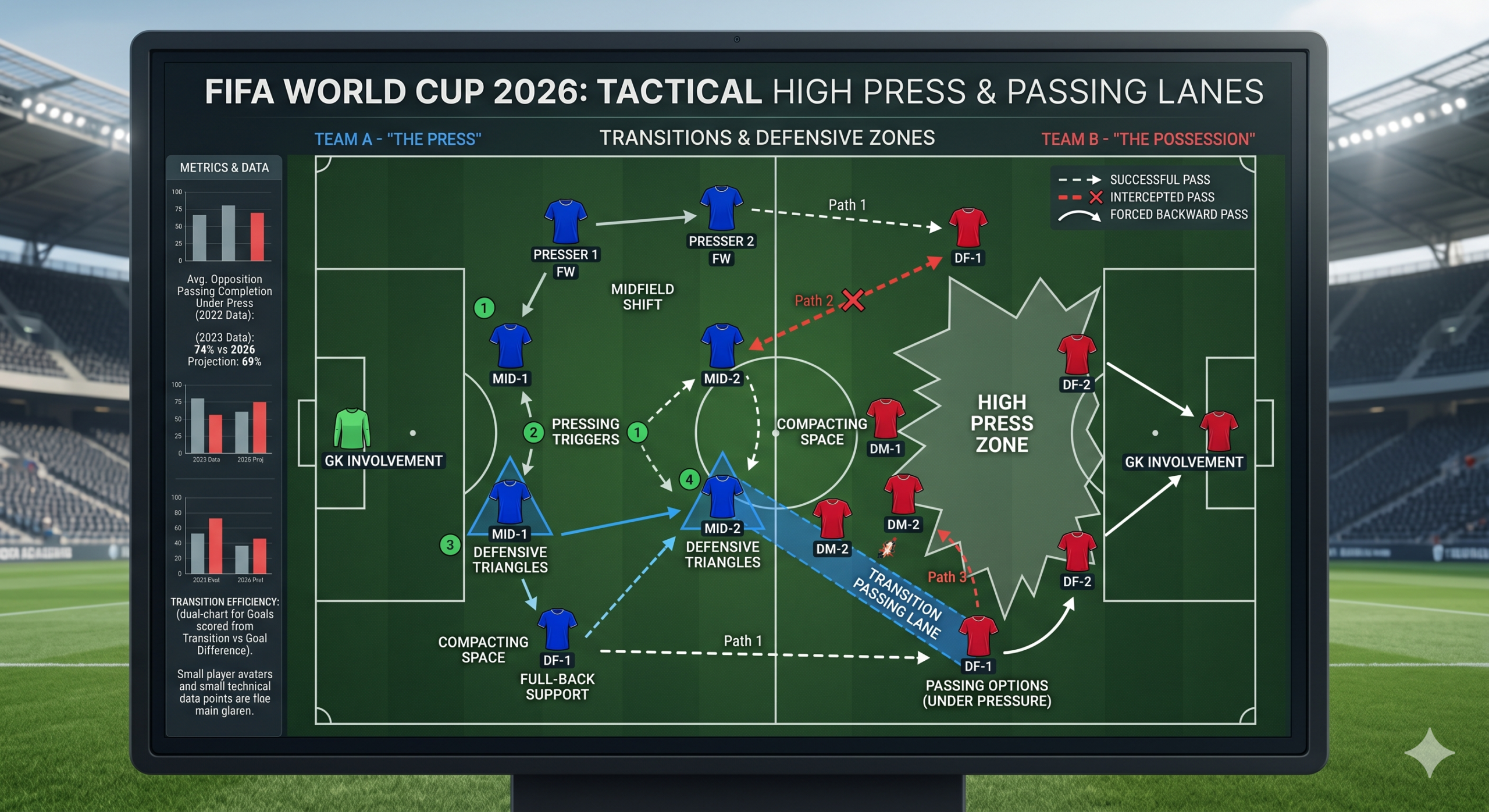
Defensively, the team implements an intense counter-pressing system immediately upon losing possession. The players close down passing lines aggressively, forcing turnovers in the middle third and launching direct vertical counter-attacks. This style requires outstanding physical endurance, spatial intelligence, and structured rest-defense positioning to prevent opposition counters down the wings.
6. Top 7 Blockbuster Matchups Fans Are Waiting For
Through the magic of the tournament draw, several massive, highly anticipated matchups have been locked into the group stage calendar. These blockbusters combine rich historical rivalries, fascinating tactical battles, and direct clashes between global superstars. Let us analyze the top matches that fans are waiting for, detailing their tactical landscapes, key matchups, and projected setups.
This massive Anglo-American showdown is expected to break all television viewership records in North America. The hosts, deploying their high-energy pressing style, will look to disrupt England’s highly structured build-up play. England, boasting an elite roster of creative playmakers operating behind world-class strikers, will seek to dominate possession and exploit the half-spaces. The tactical battle between the American dynamic wingers and England’s athletic full-backs will decide who takes control of the group standings.
The potential final meeting between the two greatest players of their generation represents an incredibly emotional landmark in sports history. MetLife Stadium will serve as the spectacular stage where these legendary squads collide. Argentina will rely on their excellent midfield control, technical cohesion, and short passing combinations to dominate the tempo. Portugal will counter with an incredibly fast, highly direct vertical attacking unit, looking to exploit wide channels and utilize high-speed crosses to bypass Argentina’s experienced central defenders.
Steeped in historical romance, the legendary Estadio Azteca will serve as a high-altitude pressure cooker for this blockbuster fixture. Mexico will look to exploit their altitude advantage, executing aggressive, high-speed vertical counters supported by a passionate, deafening home crowd. Germany will attempt to lower the tempo, utilizing a highly disciplined double-pivot box midfield to control possession, restrict central spaces, and exhaust the Mexican pressing lines through slow, controlled lateral circulation.
Whenever these two footballing titans meet, the world witnesses the absolute peak of athletic excellence. Brazil enters the pitch with their signature asymmetric attacking system, relying on individual creativity, fluid wing rotations, and unpredictable dribblers to dismantle defensive structures. France counters with an incredibly deep, balanced, and physically dominant setup, utilizing their world-class transition speed to attack wide channels and suffocate opponents through intense high-pressing systems.
Host Venue Hospitality Spotlight: Atlanta Premium Club Experience
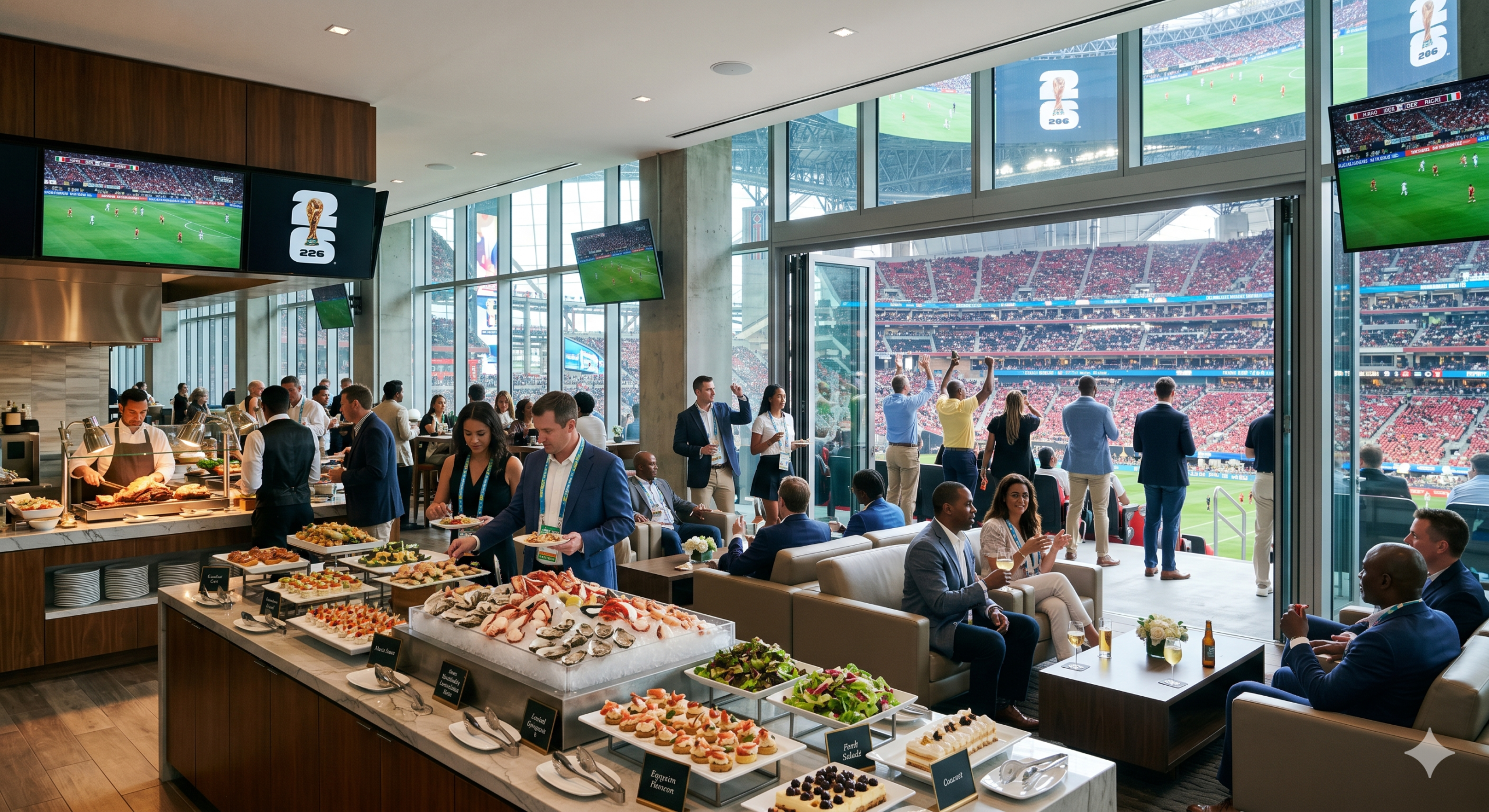
To provide supporters and corporate partners with the absolute pinnacle of luxury matches experiences, Atlanta’s Mercedes-Benz Stadium is deploying spectacular premium spaces. Fans booking these ultra-exclusive reservations will experience the matches with elite-class comfort, combining pristine field views with next-generation sports hospitality.
An incredibly intriguing tactical battle hosted inside the beautiful, retractable-roof BC Place in Vancouver. Canada will look to exploit their athletic wing overloads and high transition speed to stretch the Italian defense. Italy, deploying a highly disciplined, compact low-block defense, will seek to control the central channels, execute precise defensive recoveries, and launch surgical counter-attacks to exploit the space left behind by Canada’s advancing wing-backs.
This Mediterranean rematch brings intense personal narratives and high tactical stakes to South Florida. Spain will deploy their signature high-possession passing cycles, aiming to dominate the center of the pitch, exhaust the Moroccan midfield, and create passing lanes into the penalty box. Morocco will respond with an incredibly disciplined, aggressive mid-block, looking to force central turnovers and execute lightning-fast vertical transitions down the flanks.
A fascinating clash of cultures and playing styles hosted in one of the loudest stadiums in North America. Japan will bring a highly disciplined, technically gifted unit, utilizing fast passing combinations and intense counter-pressing to disrupt Senegal’s organization. Senegal will counter with an incredibly strong, athletic unit, looking to dominate physical duels, control the defensive box, and execute high-speed transitions to release their elite wingers.
7. The Knockout Bracket Projections: Giants Colliding early in the Round of 32
With 48 teams competing across 12 groups, the group phase will serve as a massive filter, leaving no room for error. The introduction of the **Round of 32** knockout phase ensures that the stakes are incredibly high from the very first whistle of the elimination rounds. Under the projected **fifa world cup team standings**, even the traditional footballing giants could face high-stakes, early blockbusters if they fail to secure the top spot in their respective groups.
Our professional sports scientists have projected potential knockout brackets based on current team form and physical recovery capacities. If the top-seeded teams perform as expected, we could witness spectacular, classic matches as early as the Round of 32 and Round of 16. The physical and cognitive demands on the players will be immense, with the path to the final requiring three knockout victories before even reaching the quarter-finals.
This high-stakes layout makes every single group match critical. Managers cannot afford to rest their primary stars during the final group fixtures, as even a minor slip in the standings could force a team into a difficult knockout path against a continental giant. Recovering quickly, maintaining tactical flexibility, and managing squad depth will be the deciding factors.
Let us look at how the knockout phase increases pressure on team depth. The introduction of a fourth elimination round means a single injury or suspension in the Round of 32 can completely derail a team’s championship run. Coaching staffs must build highly balanced rosters, ensuring that secondary players can step into high-pressure roles without a drop in tactical execution or physical work rate.
8. Club vs. Country: How the FIFA Club World Cup & Dual Squad Fatigue Impacts the Summer
To understand the extreme physical demands facing elite athletes, we must examine the highly complex club and international sports calendars. The upcoming summer represents an unprecedented physical challenge, with many players transitioning directly from exhausting domestic club campaigns to compete in major international events. Crucially, the growth of elite club championships has created a packed tournament calendar, featuring a highly expanded roster of participating fifa club world cup teams.
Let us look at the key differences between these two elite tournament structures:
| Tournament Dimension | FIFA World Cup (National Teams) | FIFA Club World Cup (Clubs) |
|---|---|---|
| **Squad Selection** | Representing qualified national selections composed of citizens representing their home countries. | Representing professional club franchises signing international players regardless of nationality. |
| ** Roster List** | The official fifa club world cup teams list highlights club franchises, whereas World Cup squads feature national team pools. | Features the world’s leading clubs (e.g. European champions, South American cup winners) in a club championship. |
| **Workload & Scheduling** | Demands an eight-match path for finalists, organized continent-wide across three host nations. | Features a intensive club-based program involving multiple matches over a short summer window. |
| **Physical & Cognitive Toll** | Immense national pressure, high-altitude challenges, and significant travel distances between regional clusters. | Intense domestic leagues synchronization and long-term club contracts requiring year-round training loads. |
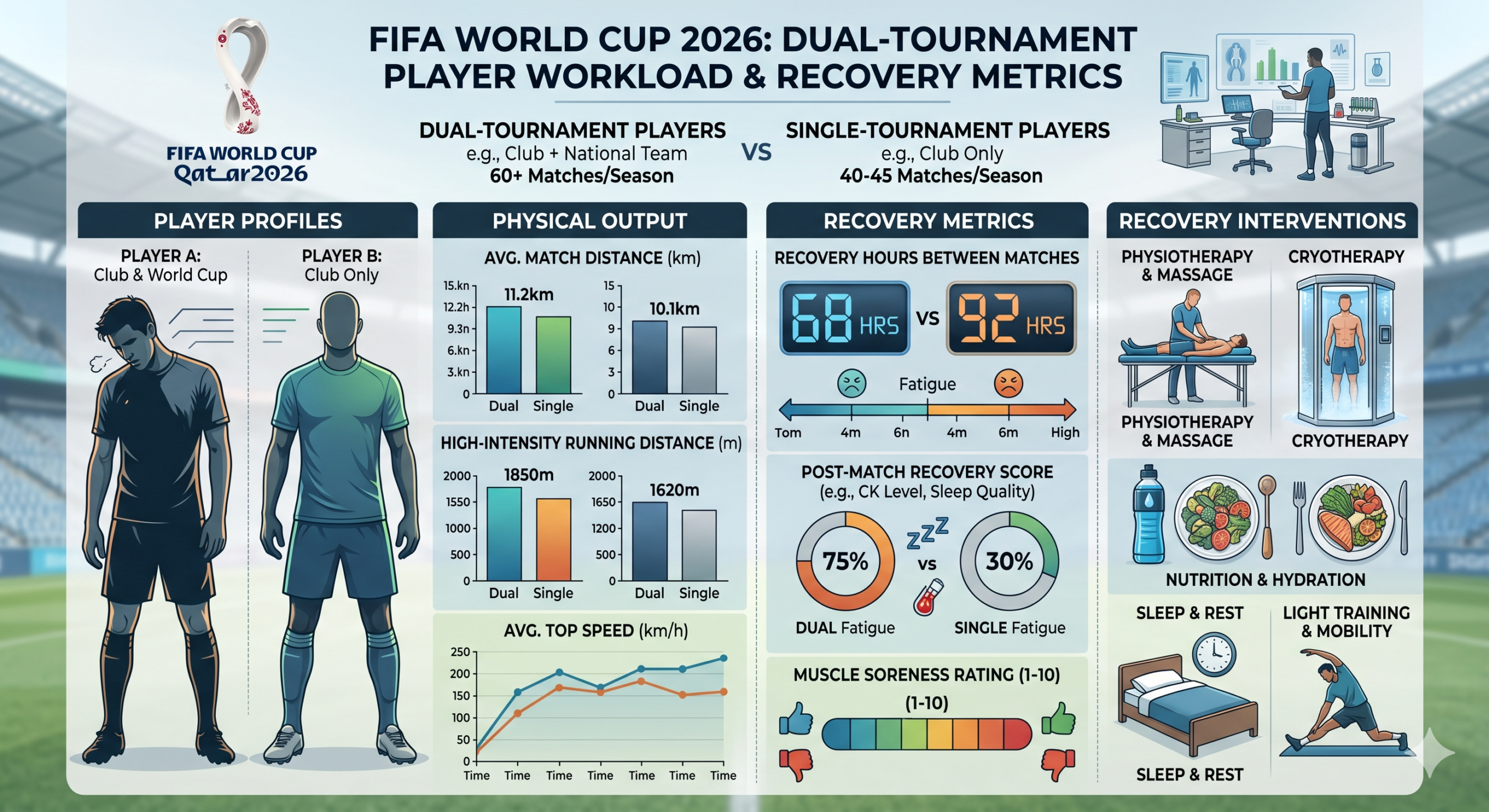
This dual tournament calendar puts a severe physical toll on elite fifa club world cup players who are expected to perform at their absolute peak for both club and country. Sports science departments are warning that without mandatory, structured rest periods, player performance could decline significantly during the latter stages of the summer.
Coaching staffs must implement highly sophisticated rotation strategies and advanced workload monitoring to protect player fitness. The teams that manage this club-vs-country physical balance most effectively will have a massive tactical advantage as they navigate the exhausting path to the final.
This dynamic also impacts the strategic choices of club managers. During the preceding domestic seasons, club coaches face intense pressure to protect their high-value assets, leading to conflicts with national team staffs regarding playing minutes and active recovery windows. The coordination between club sports scientists and international medical departments is critical to ensure that fifa club world cup players reach the summer in peak physical condition.
9. The Youth Pipelines: From Under-17 to Under-20, Feeder Systems of the World Cup
To maintain long-term competitive excellence on the international stage, national associations rely heavily on robust, highly sophisticated youth development programs. The players who will dominate the summer are not just products of high-end club academies; they have been forged through intense international youth championships.
A close inspection of the senior squads reveals a significant number of emerging talents who have transitioned directly from the ranks of elite fifa u 17 world cup players. These highly competitive youth tournaments serve as critical laboratories, allowing young athletes to experience the pressure of international tournament play and develop tactical maturity early in their careers.
Similarly, graduates from recent under-20 tournaments are stepping directly into senior rosters. The elite 2025 fifa u-20 world cup players have brought unmatched technical agility, high tactical workloads, and an incredible desire to succeed to the senior stage. By combining these hungry, technically gifted young prodigies with experienced international veterans, managers are building highly balanced, dynamic squads capable of executing advanced modern tactics under extreme pressure.
The correlation between youth success and senior achievement is well documented. The national associations that invest heavily in structured coaching at the under-17 and under-20 levels enjoy a consistent stream of tactically mature players ready to integrate into complex senior formations, ensuring long-term competitiveness at the absolute highest level of the global game.
10. Editorial Epilogue: The Soccer Fan’s Blueprint
As the final weeks count down to the spectacular opening whistle on June 11, 2026, at the historic Estadio Azteca, the excitement surrounding the tournament has reached a fever pitch. This expanded, continent-wide event will go down in history as the largest, most ambitious sports-entertainment journey ever undertaken, uniting three massive nations and millions of passionate fans.
For the traveling supporter, planning a successful tournament trip requires careful coordination, geographic strategy, and a clear understanding of regional logistics. By choosing to base yourself within a single geographical cluster, you can protect your own energy, reduce transit costs, and experience the local culture of the host cities in depth.
Whether you are witnessing the high-tech dome spectacle of Atlanta, the beautiful mountain backdrop of Monterrey, the cool Pacific breezes of Vancouver, or the grand finale in New York/New Jersey, you are part of a historic sports celebration. The memories made, the rivalries witnessed, and the tactical marvels displayed will define the global game for generations to come.
Green Logistics: Continental Environmental Spacing
In addition to physical recovery and transport routing, organizers have implemented groundbreaking environmental sustainability initiatives across all 16 host venues. Stadiums are utilizing advanced carbon-offset programs, solar-powered executive plazas, and smart waste management networks to reduce the ecological impact of the continental tournament.
By integrating localized public transport connections with eco-friendly stadium layouts, the co-hosting nations stand ready to deliver a clean, highly sustainable global event, showing that next-generation sports operations can combine elite performance with responsible environmental stewardship.