







Biggest Football Rivalries in FIFA World Cup History: The Ultimate Historical & Tactical Breakdown
An exhaustive premium editorial exploring iconic international feuds, classic match data, tactical evolutions, and tournament projections ahead of FIFA 2026.
TL;DR – Quick Tournament & Rivalry Snapshot
- The Core Topic: The historic geopolitical, cultural, and sporting feuds that shape the legendary narrative arc of the FIFA World Cup.
- Primary Intercontinental Feuds Analyzed: Argentina vs. Germany, Brazil vs. Italy, and England vs. Argentina.
- Intra-Continental Power Struggles: Germany vs. Italy, Brazil vs. Argentina, and France vs. Italy.
- FIFA 2026 Context: An expanded 48-team framework changing how groups are structured, altering long-standing mathematical probabilities for iconic knockout paths.
- Key Metrics Tracked: Historical head-to-head match records, tactical setups, high-stakes final matches, and modern squad trend variations across domestic leagues.
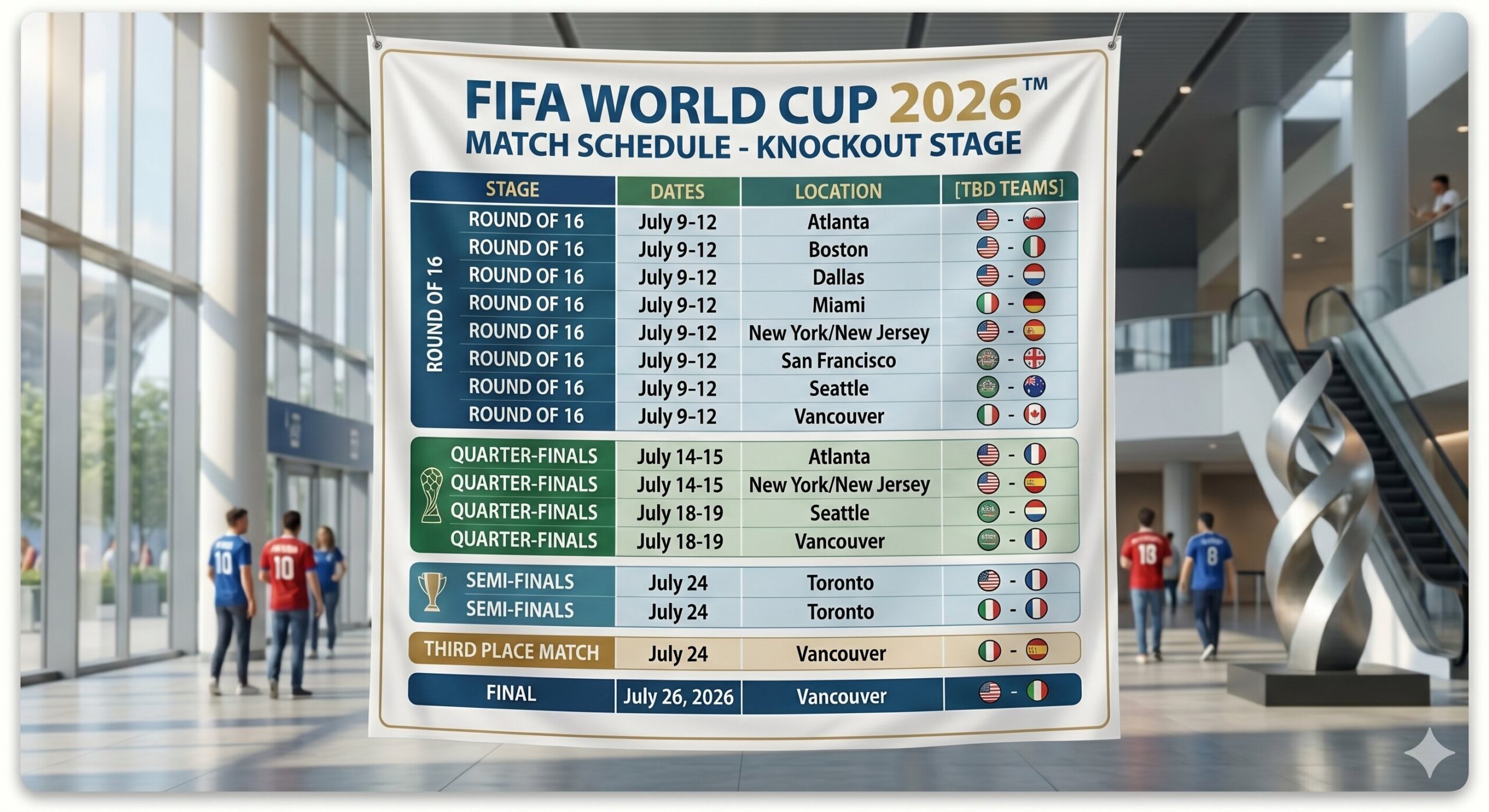
Figure 1: Visual representation of competitive football match tension on the global stadium stage.
Introduction: The Soul of International Football Architecture
The absolute peak of global sporting drama lives within the systemic clashes of elite international football. While modern club tournaments like the Champions League showcase peak individual athletic execution, and domestic campaigns like the Premier League updates capture consistent tactical micro-adjustments, the FIFA World Cup represents something deeply primordial. It is an arena where domestic differences dissolve, turning standard sporting fixtures into complex expressions of geopolitical heritage, cultural pride, and long-standing generational narratives.
When soccer fans look back at the historical evolution of the sport, they don’t just remember tactical systems or simple point tallies. They remember the deep, structural clashes between dominant national styles. The narrative foundation of the sport is built on these intense feuds. As international football moves closer to the historic kickoff of **FIFA 2026**, checking the absolute biggest football rivalries in FIFA World Cup history isn’t just an exercise in nostalgia—it is a critical requirement for accurate soccer predictions and deep football analysis.
With the upcoming implementation of the expanded 48-team format, the structural mathematics of the tournament will change forever. Looking back at how these historic clashes developed gives us the exact baseline needed to understand how modern tactical trends will collide across North American host cities.
The 48-Team Era: Structural Changes to Long-Standing Knockout Paths
The road toward the championship will see an unprecedented structural shift. The tournament moves away from the traditional 32-team system that stood for nearly three decades, transitioning into a massive 48-team matrix. This evolution completely changes the mathematical landscape of international football matchups.
Understanding the new tournament design explains why traditional knockout paths will look completely different:
- The Group Stage Framework: The 2026 fifa world cup qualified teams list will be split into 12 groups of four teams each. This removes the highly controversial three-team group proposal, preserving competitive balance.
- The Round of 32 Addition: To accommodate the expanded field, a brand-new knockout round is introduced. The top two teams from each group, along with the eight best third-place finishers, advance to the Round of 32.
- The 104-Match Marathon: The total number of matches increases from 64 to 104. This expands the tournament schedule to a 39-day window, putting an unprecedented physical demand on professional player pools.
- Altered Paths for the Elite: Top nations can no longer assume clear paths to the quarter-finals. The extra knockout match introduces a higher probability of early statistical variance and surprise results.
For traditional powerhouses, this design completely changes how squads must balance physical performance. Tactical systems can no longer be tuned exclusively for a short seven-game sprint; they must be built to survive an intense eight-match campaign across multiple distinct environmental zones.
The Giants of World Cup History: Head-to-Head Statistics Matrix
To understand the true weight of elite international rivalries, we must look at the objective data. The table below outlines the comprehensive structural metrics of the top football nations that have historically dominated the tournament standings, highlighting the thin margins separating them.
| National Team | Historical Titles | Finishes in Top 4 | Total Matches Played | All-Time Win % | Avg Goals Per Match |
|---|---|---|---|---|---|
| Brazil | 5 | 11 | 114 | 64.0% | 2.10 |
| Germany | 4 | 13 | 112 | 60.7% | 2.02 |
| Italy | 4 | 8 | 83 | 54.2% | 1.54 |
| Argentina | 3 | 6 | 88 | 56.8% | 1.73 |
| France | 2 | 7 | 73 | 53.4% | 1.86 |
Analyzing these historical figures reveal why specific matchups feel so intense. When these teams meet, they aren’t just playing for three group points—they are actively fighting for historical dominance in the all-time tournament standings.
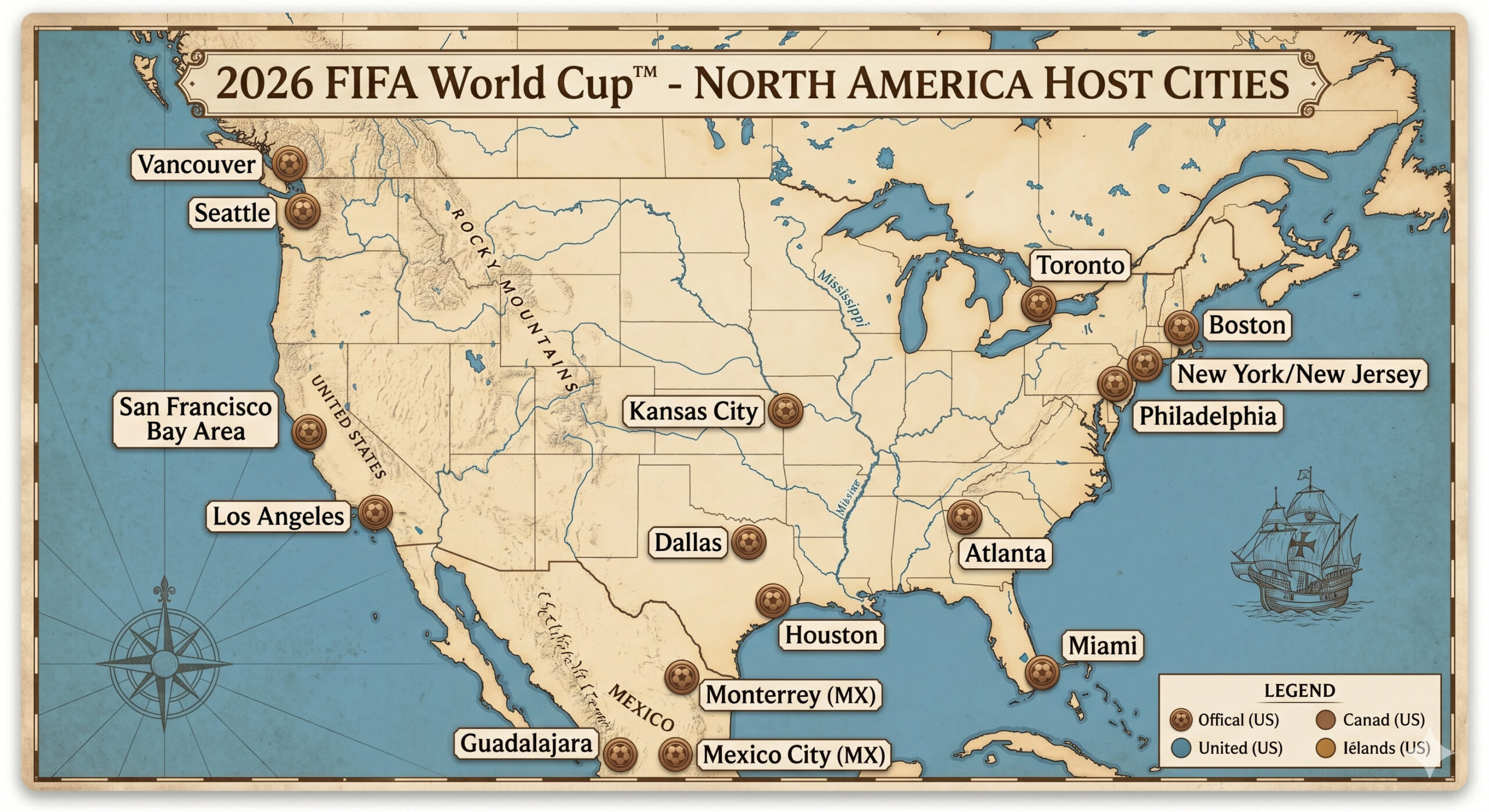
Figure 2: The vast structural footprint of the 2026 North American venues across distinct regional clusters.
Deep Historical Breakdown: The Defining Intercontinental Feuds
1. Argentina vs. Germany: The Knockout Standard
No single matchup defines the tactical evolution of the modern game quite like Argentina against Germany. This legendary battle stands as the most frequent final fixture in tournament history, with the two sides meeting in three separate finals (1986, 1990, and 2014).
The rivalry is built on a fascinating contrast of styles. Historically, Germany represents collective mechanical organization, structural discipline, and efficient spatial control. Argentina, conversely, has built its identity around individual creative genius balanced by aggressive, high-intensity defensive anchors. From the legendary magic of Diego Maradona breaking through German systems in Mexico 1986, to the clinical extra-time finishing of Mario Götze in Rio 2014, this matchup consistently delivers tactical masterclasses.
Tactical Snapshot: The Modern Strategic Balance
In recent matches, this fixture has shifted toward high-pressing battles. German development pipelines have heavily integrated modern structural pressing principles, while Argentina’s recent international success has relied on compact defensive shapes combined with clinical attacking transitions.
2. England vs. Argentina: Geopolitics and Diego Maradona’s Genius
When soccer fans discuss fixtures that transcend standard sporting metrics, England vs. Argentina sits at the very top of the list. This deep feud stems from a mix of historical border tensions and iconic on-pitch flashpoints, exploding into global consciousness during the 1986 quarter-final in Mexico City.
That single 1986 match captured the entire spectrum of football drama in just four minutes. Maradona’s opening goal—the infamous “Hand of God”—remains one of the most controversial moments in sports history. Moments later, he followed it with the “Goal of the Century,” a spectacular 60-yard run that sliced through the entire English defense, showcasing pure individual genius. Later eras added more layers to the feud, from David Beckham’s infamous red card in 1998 to his redeeming penalty kick in 2002. This historic tension means that whenever these two nations share a pitch, the atmosphere carries an intensity that regular matches simply cannot replicate.
3. Brazil vs. Italy: The Clash of Global Football Cultures
This fixture represents the ultimate historical confrontation of football philosophies. It pits Brazil’s famous “Joga Bonito”—an identity built on fluid improvisation, expressive skill, and attacking flair—directly against Italy’s traditional masterclass in defensive resilience and calculated counter-attacking organization.
The peak of this rivalry was reached during two historic final matches. In 1970, Pelé’s legendary Brazil side unlocked Italy’s defense with fluid passing combinations, creating what many consider the blueprint for beautiful attacking football. In 1994, the two sides played out an intense tactical stalemate in Pasadena, culminating in a dramatic penalty shootout that handed Brazil the title. These legendary meetings established a permanent benchmark for elite international competition.
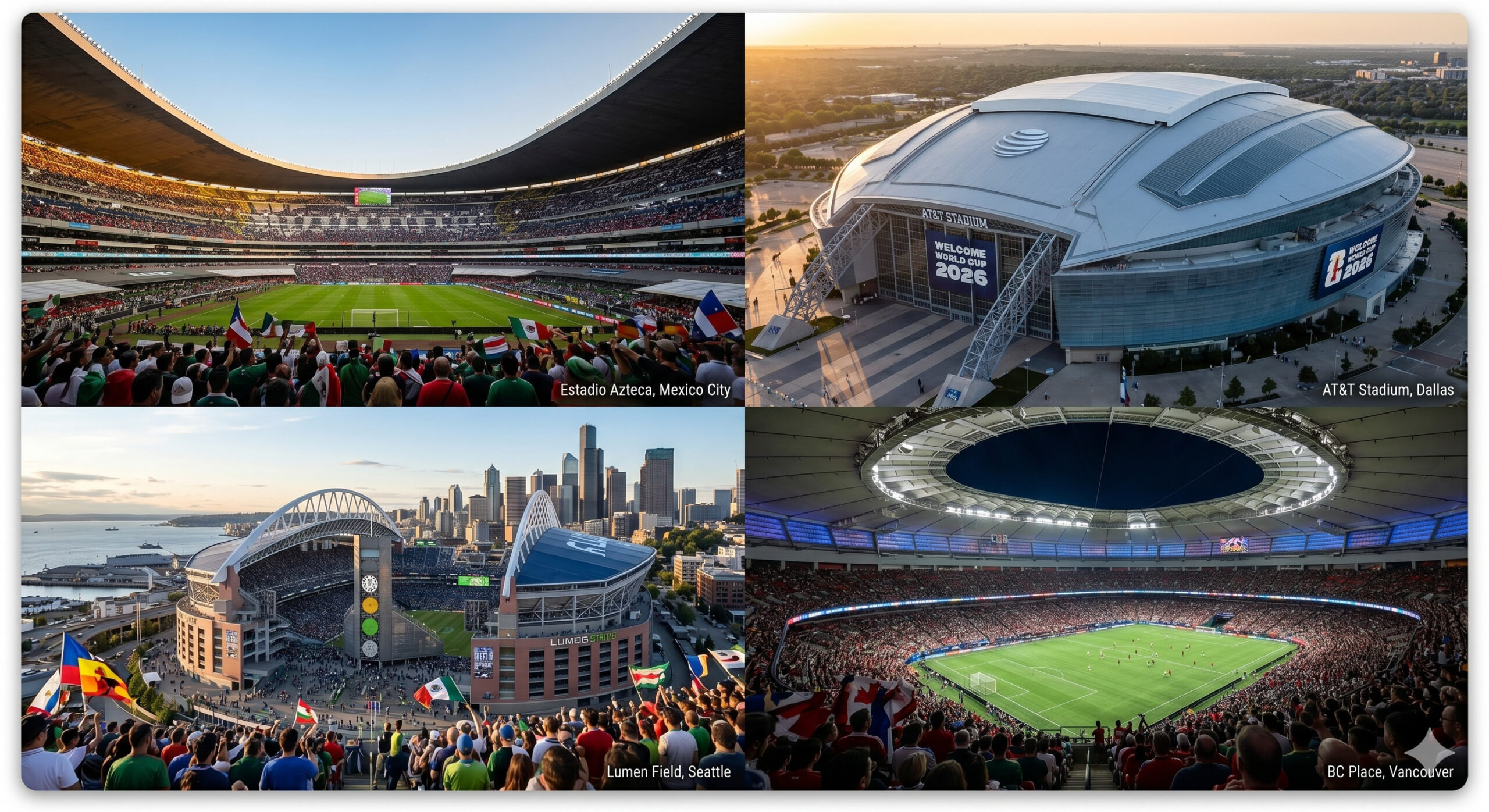
Figure 3: Modern stadium design and structural architecture defining the North American venues.
Intra-Continental Power Struggles: Battles for Regional Dominance
Germany vs. Italy: The European Tactical Matrix
While South American matchups capture global imagination with individual creative battles, Germany vs. Italy stands as Europe’s absolute premium tactical chess match. Historically, Italy has held a fascinating psychological edge in tournament play, consistently frustrating German sides in critical elimination matches.
The historic 1970 semifinal—frequently called the “Game of the Century”—finished in an unbelievable 4-3 extra-time result, showing the world that even defensive masters could open up into thrilling attacking displays. Italy’s tactical triumph in the 1982 final and their dramatic 2006 semifinal victory in Dortmund further proved their ability to neutralize structured German attacking patterns. This tactical dynamic forces both nations to push their strategic systems to the absolute limit whenever they meet.
Brazil vs. Argentina: South America’s Superclásico
Away from the official tournament schedules, the daily heartbeat of South American football is driven by the fierce rivalry between Brazil and Argentina. This feud is fueled by a never-ending debate over historical dominance, headlined by the eternal argument over whether Pelé or Diego Maradona stands as the greatest player to ever play the game.
When matched up in tournament play, this fixture turns into an incredibly intense battle for regional pride. Brazil relies on explosive wide attacking transitions, while Argentina counters with highly organized midfield possession networks designed to control the game’s tempo. The resulting matches are defined by tactical fouls, intense individual duels, and moments of spectacular creative skill.
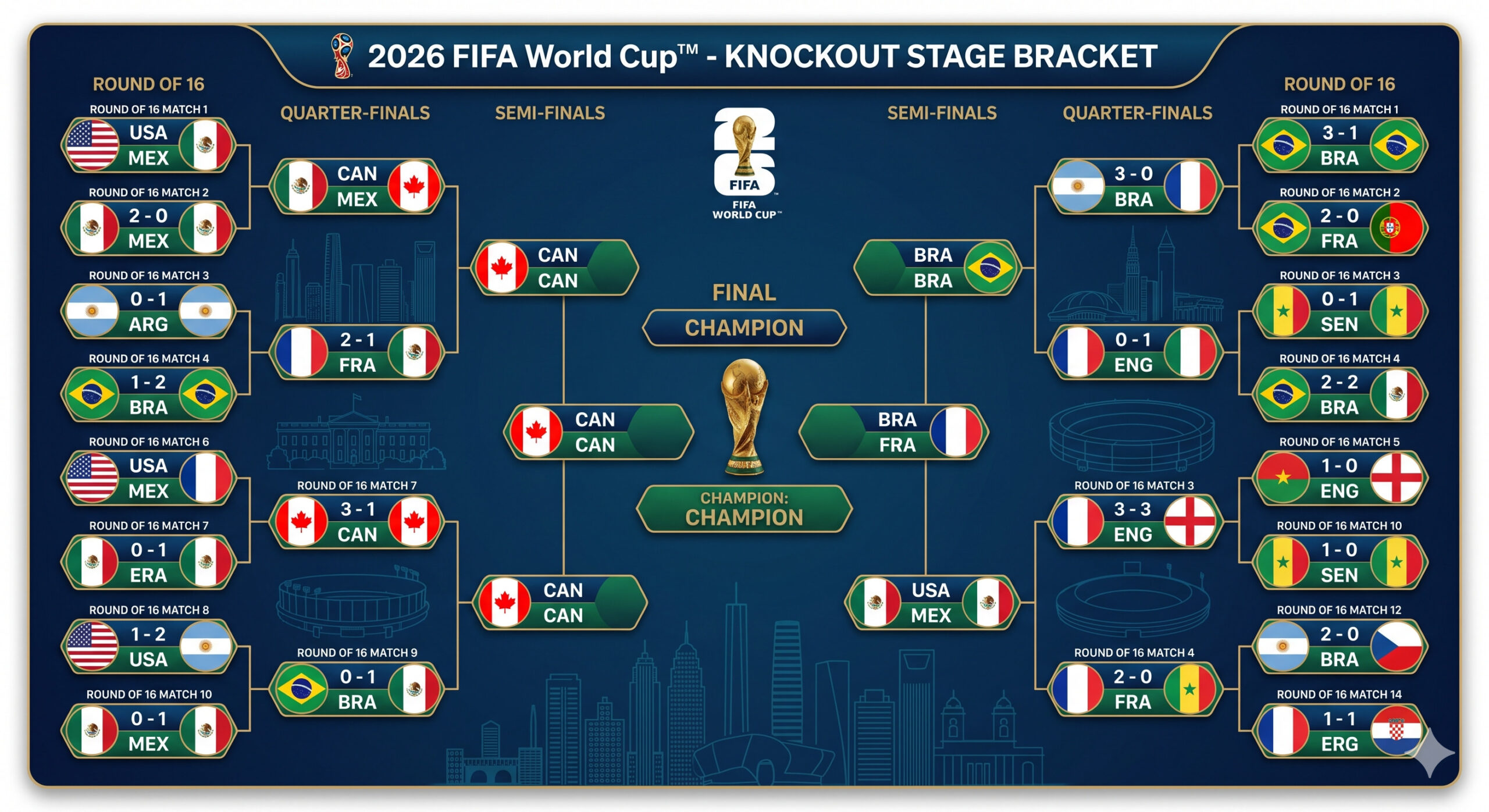
Figure 4: The expanded 104-match bracket architecture from group stages to the final.
Tactical Evolution: How Historic Feuds Shape Modern Gameplay Systems
The systems used by top national teams today did not appear out of thin air; they were forged over decades of intense tournament competition. Looking closely at these strategic adjustments reveals a clear evolution from rigid positional templates to fluid, highly adaptable formations.
The major tactical trends defining the modern era include:
- The Death of the Fixed System: Traditional setups like the classic 4-4-2 have largely disappeared from elite international play. Modern managers prioritize hybrid systems that smoothly change shape between attacking and defensive phases.
- Aggressive High Pressing: Influenced heavily by European club trends, top international sides use coordinated forward pressing lines. The goal is to win possession deep in the opponent’s half, disrupting their buildup before it can start.
- Inverted Fullbacks & Midfield Overloads: Fullbacks are no longer restricted to running the touchlines. In modern possession phases, they frequently step inside into central spaces, creating numerical overloads that allow midfielders to dictate the tempo.
- Rapid Transition Mathematics: With elite athletic defensive units covering space quicker than ever, the first four seconds after winning possession are critical. Teams spend hours training transitional passing tracks to catch opponents out of position.
As teams finalize their preparations for **FIFA 2026**, these tactical frameworks will be tested by a unique challenge: managing player workload across an expanded tournament schedule.
Player Performance Insights: Elite Superstars and League Trends
The performance of an international squad is deeply shaped by the domestic leagues where their players train week in and week out. The table below tracks how top leagues influence player profiles, giving us a clearer look at squad depth ahead of the upcoming tournament.
| Domestic League | Primary Tactical Style | Physicality & Conditioning | Key World Cup Squad Impact |
|---|---|---|---|
| Premier League | High-intensity pressing, rapid transitions | Maximum athletic demand | Provides elite fitness but increases risk of end-of-season fatigue. |
| La Liga | Technical possession, positional triangles | Aerobic endurance focus | Builds exceptional technical passing and space management skills. |
| Bundesliga | Vertical attacking, vertical counter-pressing | High-speed running focus | Produces clinical transitional players built for counter-attacks. |
| Serie A | Compact defensive blocks, tactical discipline | Structural positioning focus | Develops elite defensive awareness and positional patience. |
When looking at individual *football player stats*, these league styles show why certain international combinations work so well together. A midfield built around La Liga’s technical control, paired with the explosive transitional running of the Premier League, often creates the perfect balance for tournament play.
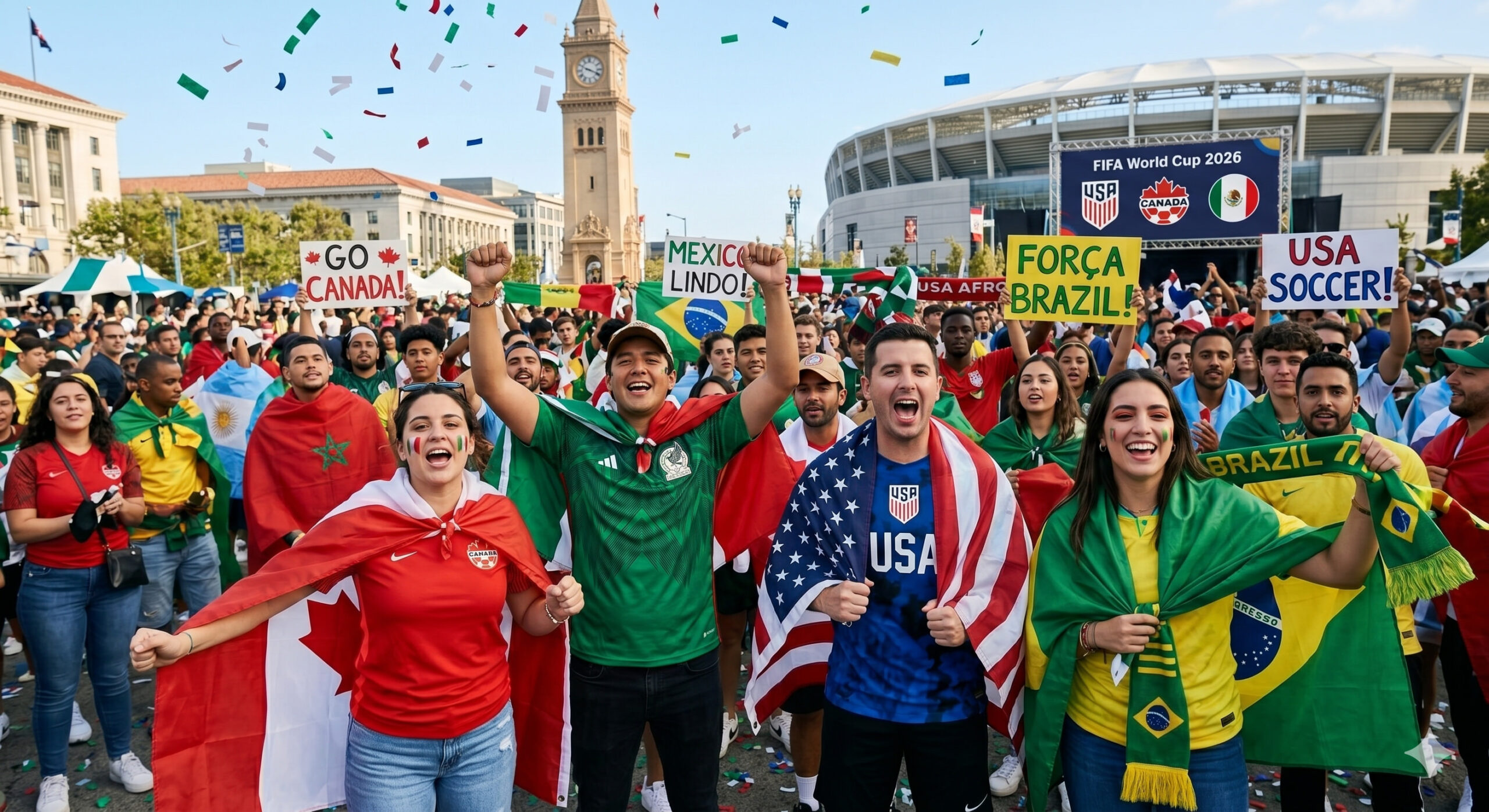
Figure 5: Advanced statistical matrix evaluating modern international attacking and defensive actions.
Projecting Match Interactions: Predicting the Group Dynamics of 2026
The expansion to 48 teams creates a brand-new competitive landscape. In previous tournaments, top nations could accurately map out their likely opponents in the knockout stages. Now, the addition of the Round of 32 introduces a major element of unpredictability.
Elite managers must adapt their planning for these unique challenges:
- Environmental Adaptation: Matches will move between altitude in Mexico City, indoor humidity in Atlanta, and variable summer conditions across the Pacific Northwest. Squad depth will be tested like never before.
- The Third-Place Factor: Because the eight best third-place teams advance, every single goal scored during the group stage matters. Teams will have to push for late goals rather than simply slowing down to protect a narrow lead.
- Workload Rotation: Relying on a fixed starting eleven is no longer sustainable. Teams that win the title will need a deep 26-man squad where backup options can step in without dropping the team’s tactical level.
This changing structure means traditional giants might meet much earlier in the bracket than expected, promising incredible drama for global fans.
2026 FIFA World Cup Qualification CONCACAF Schedule: The Hosts’ Regional Crucible
While the USA, Mexico, and Canada have already secured automatic spots as co-hosts, the surrounding CONCACAF qualification campaign remains incredibly intense. Emerging North American and Caribbean nations are fighting hard to claim their places in the expanded 48-team field.
The ongoing qualification process highlights several key dynamics:
- The Race for Direct Spots: With the traditional top three nations already qualified as hosts, secondary powers like Costa Rica, Jamaica, and Panama have a golden opportunity to lock in direct qualification positions.
- Developing Tactical Infrastructure: Across the region, teams are investing heavily in modern training setups and importing technical staff, leading to much closer, more competitive matches.
- The Intercontinental Playoffs Ultimate Test: Teams that narrowly miss out on direct spots move into the high-stakes intercontinental playoffs, a pressure-packed mini-tournament where one mistake can end a four-year cycle.
For deep tracking of group positions, match times, and localized data updates, check out the official coordination updates on FIFA’s Central Match Portal.
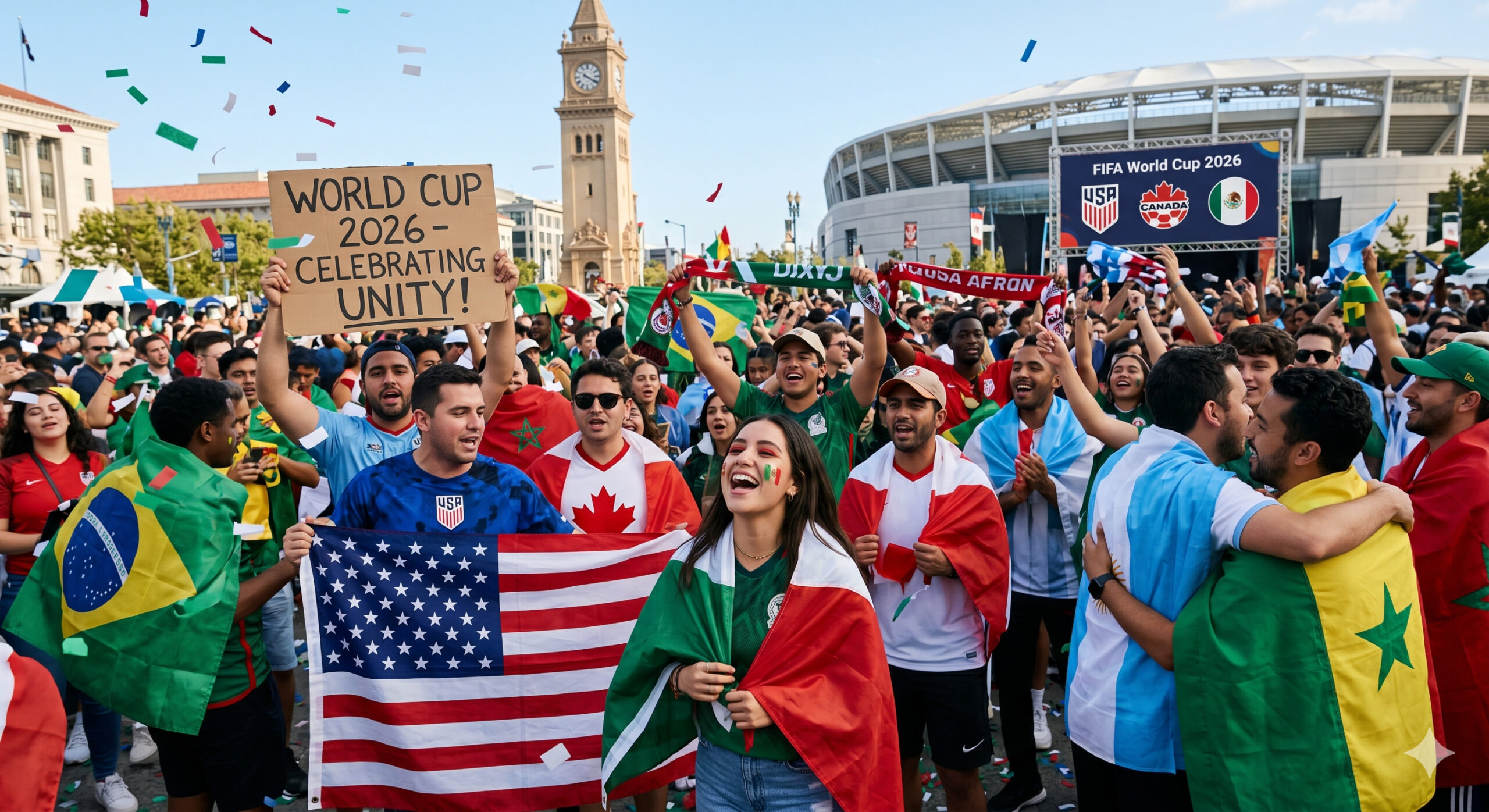
Figure 6: Global football fans gathering outside a modern match venue celebrating international sportsmanship.
Frequently Asked Questions (FAQs)
Q: How does the new 48-team expansion change the probability of traditional rivalries happening?
A: The expanded format splits teams into 12 groups of four. While this lowers the chance of top-tier giants meeting in the initial group stage, the addition of the Round of 32 means elite teams are much more likely to cross paths early in the knockout brackets.
Q: Which matches stand as the most frequent final fixtures in tournament history?
A: Argentina vs. Germany holds the absolute record, with the two nations facing off in three separate finals: 1986 in Mexico City, 1990 in Rome, and 2014 in Rio de Janeiro.
Q: Why is the historical feud between England and Argentina considered so unique?
A: This rivalry stands out because it combines deep cultural and historical tensions with iconic on-pitch moments, highlighted by Diego Maradona’s famous “Hand of God” and “Goal of the Century” within a four-minute window in 1986.
Q: Where can international soccer fans find the official verified schedule updates?
A: Fans can track real-time fixture changes, time zone conversions, and official stadium assignments through the centralized platform at FIFA’s Central Match Portal.