







Golden Boot Race Predictions 2026: The Ultimate Guide
TL;DR
The race for golden boot at the 2026 World Cup promises to be one of the most fiercely contested battles in modern football history. With the tournament expanding to 48 teams, the dynamics of scoring in world cup fixtures will shift significantly. This comprehensive editorial breaks down the top contenders, including heavyweights like Kylian Mbappé and Erling Haaland, legendary veterans like Cristiano Ronaldo and Lionel Messi, and explosive dark horses. We dive deep into match statistics, team analysis, and league trend analysis to predict who will claim the ultimate golden boot award. Get ready for an unparalleled look at the best soccer strikers in the world.
1. Introduction: The Prestige of the Golden Boot
Every four years, the globe unites to witness the pinnacle of the beautiful game. Amidst the pursuit of team glory lies an individual quest of legendary proportions: the golden boot award. To win this accolade is to etch one’s name into the annals of football history, standing shoulder to shoulder with the sport’s greatest icons. As we look ahead to 2026, the anticipation surrounding the race for golden boot is reaching a fever pitch.
The 2026 tournament, hosted across North America, introduces a monumental shift with a 48-team format. This expansion means more matches, varied tactical setups, and crucially, more opportunities for the best soccer strikers in the world to capitalize on differing levels of defensive solidity. Understanding who will take home the golden boot soccer honors requires a multifaceted approach: analyzing current form, predicting team trajectories, and dissecting the minutiae of international football tactics.
2. Historical Context: The Legends Who Paved the Way
To predict the future, one must understand the past. The lineage of the golden boot is a tapestry woven with moments of sheer individual brilliance. When we examine the world cup top scorers all time, we see a blend of pure poachers, dynamic wingers, and complete forwards. From Just Fontaine’s untouchable 13 goals in 1958 to Kylian Mbappé’s electrifying 8 goals in 2022, the evolution of the award reflects the evolution of the game itself.
Historical Milestones in Goalscoring
- The Baseline of Greatness: Typically, a player needs between 6 to 8 goals to secure the golden boot. The expanded 2026 format could potentially see this number rise.
- The Award Trinity: Beyond the top scorer prize, elite players also vie for the player of the world cup (Golden Ball). Often, a prolific scorer who falls just short of the title might take home the world cup bronze ball as recognition of their overall tournament impact.
- Hardware Evolution: The physical trophies for world cup achievements have evolved, but the allure of the gold boots remains an unparalleled symbol of attacking supremacy.
We cannot discuss history without mentioning the modern greats. Ronaldo with golden boot ambitions at a World Cup has been a narrative dominating the last two decades. Meanwhile, the pursuit of most goals in soccer world cup history remains a driving force for veterans aiming for one final, glorious chapter. As the tournament expands, these historical benchmarks are under serious threat.
3. The Anatomy of a Golden Boot Winner
What does it take to lead the world in scoring? Winning the golden boot award is rarely a stroke of luck; it is a convergence of specific variables that elevate a great player to tournament immortality.
- Favorable Group Stage Draw: A significant portion of goals are historically clustered in the group stages. A top-tier striker drawn against defensively fragile opponents can pad their stats early.
- Set-Piece Responsibility: Taking penalties and direct free-kicks is paramount. Every goal counts, and dead-ball situations offer low-variance scoring opportunities.
- Team Progression: You cannot score if you are not playing. A contender’s team must realistically project to reach at least the quarter-finals, ensuring a maximum number of fixtures.
- Tactical Focal Point: The team’s offensive system must channel through the striker. Wingers and midfielders must be engineered to supply the main goal threat constantly.
4. Top Contenders: The Heavyweights
The 2026 landscape is dominated by a select group of extraordinary athletes. These are the players who consistently dominate their domestic leagues and are expected to translate that firepower to the international stage. Let us delve into the player analysis sections for the undisputed favorites.
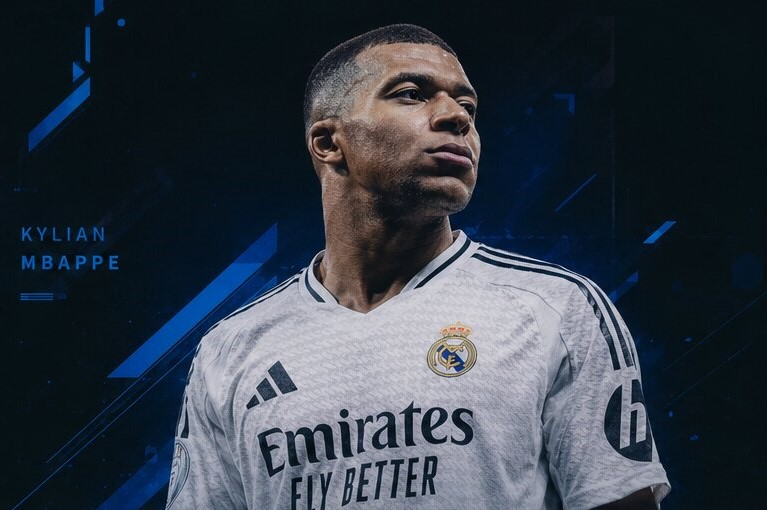
Kylian Mbappé (France)
Player Performance Insights & Match Analysis
Kylian Mbappé enters 2026 as the benchmark. Having already secured a golden boot in 2022 and possessing a terrifying blend of pace, precision, and big-game temperament, he is the natural favorite. Mbappé’s ability to score from wide areas, combined with his lethal finishing inside the box, makes him a nightmare for defensive blocks. Match statistics sections from recent international cycles show France relies heavily on his transitional speed.
Team Analysis: France possesses arguably the deepest talent pool globally. Their midfield pivot and creative fullbacks are entirely synchronized with Mbappé’s runs. With Antoine Griezmann’s potential phasing out, Mbappé will shoulder even more of the creative and goalscoring burden. If France makes a deep run, it is almost impossible to imagine Mbappé not being at the forefront of the race for golden boot.
Erling Haaland (Norway)
Player Performance Insights & Match Analysis
If there is one man capable of matching Mbappé’s sheer volume, it is Erling Haaland. The Norwegian terminator has rewritten the rules of best soccer strikers in the world, turning goalscoring into an industrial process. His physicality, aerial dominance, and ruthless efficiency inside the penalty area are unprecedented.
Team Analysis: Haaland’s biggest hurdle is Norway’s overall squad strength. However, with the expanded 48-team format, Norway’s path to qualification and progression is significantly clearer. Surrounding talents like Martin Ødegaard provide the requisite service. While Norway may not reach the semi-finals, Haaland’s capacity to score hat-tricks against lower-seeded teams in the group stage makes him a massive threat for the golden boot soccer crown.
Harry Kane (England)
Player Performance Insights & Match Analysis
The 2018 Golden Boot winner remains a quintessential center-forward. Harry Kane’s evolution from a pure number 9 to a complete forward who drops deep to orchestrate play has only enhanced his value. He remains England’s undisputed penalty taker and focal point. His league trend analysis demonstrates a remarkable consistency, seamlessly adapting his high-scoring nature to new environments.
Team Analysis: England’s golden generation boasts incredible wide talent—Saka, Foden, and Bellingham—which ironically poses a slight risk of goal distribution. However, Kane’s elite positioning ensures he is always at the end of cut-backs and crosses. England is heavily favored to reach the latter stages, providing Kane with the necessary minutes to challenge for the golden boot award once again.
Vinícius Júnior (Brazil)
Player Performance Insights & Match Analysis
While traditionally a winger, Vinícius Júnior has developed a predatory instinct that places him among the game’s elite scorers. His directness, flair, and ability to break low blocks are crucial for a Brazilian side that often faces defensively entrenched opponents. As he matures, his shot volume and conversion rates have spiked dramatically.
Team Analysis: Brazil’s tactical setup is evolving to maximize Vinícius’s output. With Neymar’s role transitioning, Vinícius is becoming the primary offensive catalyst. If Brazil clicks, they will play the maximum number of matches, and a wide forward claiming the golden boot is a very realistic scenario, mirroring trends seen in modern club football.
5. The Veterans’ Final Bow: One Last Dance
The narrative of the 2026 World Cup cannot be written without acknowledging the titans of the game who may be making their final appearances. The drive to solidify their legacies adds a compelling psychological layer to the race for golden boot.
Cristiano Ronaldo (Portugal)
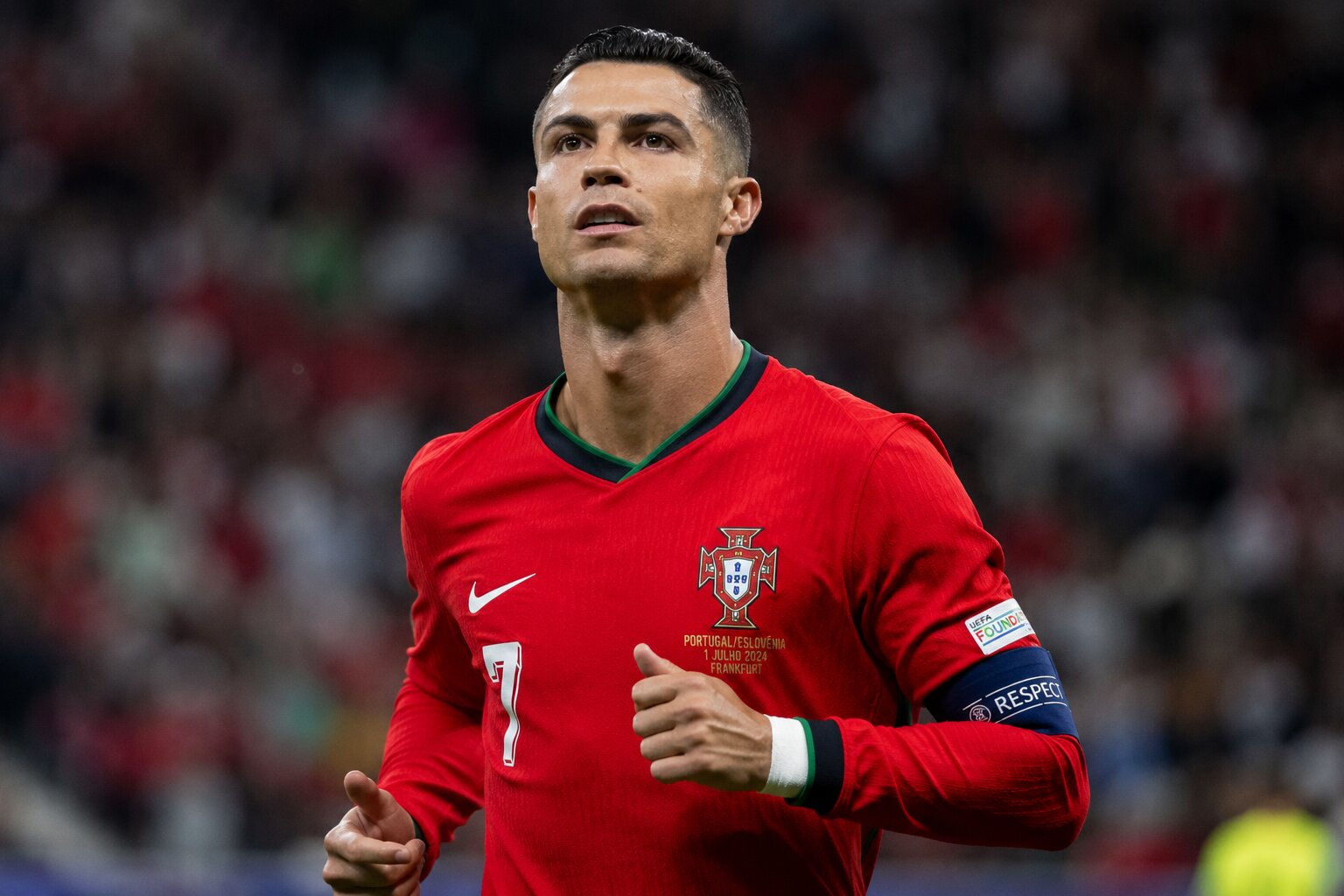
The vision of Ronaldo with golden boot glory at a World Cup is a dream his massive fanbase clings to. While age necessitates a modification of his game, his predatory instincts inside the six-yard box remain unparalleled. Portugal’s squad is remarkably deep, capable of providing him with relentless service. If utilized effectively as a target man and poacher, he could still defy Father Time. He remains obsessed with records, particularly the most goals in soccer world cup history.
Lionel Messi (Argentina)
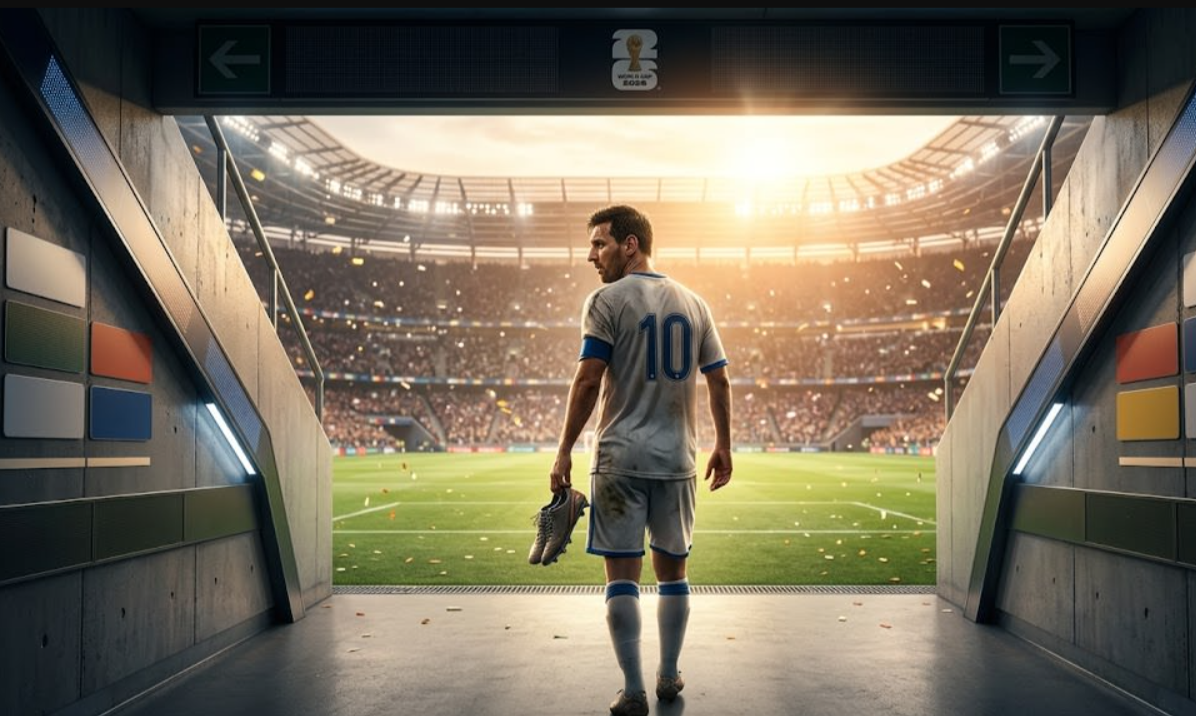
Fresh off his 2022 triumph, where he secured the world cup golden ball and established himself definitively as the player of the world cup, Messi’s role in 2026 will be fascinating. While he may operate deeper as a pure playmaker, his set-piece mastery and sudden bursts of goalscoring brilliance mean he cannot be counted out. Even if he doesn’t win the top scorer prize, a world cup bronze ball for his overall influence is highly probable.
6. The Dark Horses: Surprising the World
History is replete with unexpected heroes who seize the moment. The expanded format provides fertile ground for lesser-known or emerging stars to capture the world’s imagination and the golden boot award.
Victor Osimhen (Nigeria)
Osimhen is a force of nature. His explosive pace, incredible leap, and aggressive pressing make him a unique profile among the best soccer strikers in the world. If Nigeria navigates the group stages successfully, Osimhen has the capacity to score multiple goals in a single fixture, propelling him into contention.
Julián Álvarez (Argentina)
Often operating in the shadows of larger personalities, Álvarez is a tactical marvel. His relentless pressing and clinical finishing make him indispensable to Argentina. If Messi fully adopts a deeper creative role, Álvarez could become the primary beneficiary, quietly accumulating goals throughout the tournament.
7. League Trend Analysis: Translating Domestic Form to the World Stage
To predict international success, we must examine the league trend analysis. The tactical evolution in Europe’s top five leagues heavily dictates international playstyles.
Key Tactical Trends
- The Death of the Traditional Number 9? Not quite. While false 9s dominated the 2010s, the resurgence of elite, physical center-forwards (Haaland, Osimhen) suggests a return to focal-point attacking structures, which bodes well for pure goalscorers in the golden boot race.
- High Pressing and Transitional Goals: Leagues like the Premier League and Bundesliga emphasize rapid transitions. National teams adopting this will see their forwards benefit from disorganized defenses, leading to high-quality scoring chances.
- Set-Piece Dominance: With international teams having limited time to build complex attacking chemistry, set-pieces become a massive percentage of overall goals. Designated penalty takers have an inflated chance of securing the gold boots.
8. Match Statistics & 48-Team Format Dynamics
The 2026 World Cup’s unprecedented 48-team format fundamentally alters the mathematics of scoring in world cup history. The introduction of 12 groups of four means that top-seeded teams will face a wider disparity of opposition quality in the initial stages.
| Factor | Traditional 32-Team Format | New 48-Team Format (2026) | Impact on Golden Boot Race |
|---|---|---|---|
| Group Stage Disparity | Generally competitive; fewer “minnows”. | Wider quality gap between Pot 1 and Pot 4 teams. | Elite strikers can potentially score 4+ goals in a single mismatched group game. |
| Knockout Rounds | Started at Round of 16 (4 matches to win). | Starts at Round of 32 (5 matches to win). | An extra game played by the finalists means more total minutes available to score. |
| Golden Boot Threshold | Historically ~6 goals. | Projected ~8-10 goals. | The winner will likely need to break modern tournament scoring records. |
We anticipate that the group stages will witness highly skewed scorelines. A striker who capitalizes on a weak opponent on Matchday 1 or 2 can establish an insurmountable lead. Therefore, analyzing the draw will be the final, crucial puzzle piece in predicting the golden boot award winner.
9. The Hardware: Trophies for World Cup Greatness
The allure of the award extends beyond the title; it is embodied in the physical trophies for world cup excellence. The gold boots, a literal golden shoe mounted on a base, is one of the most recognizable and coveted individual prizes in global sports. It represents the ultimate synthesis of individual brilliance on the grandest collective stage. Alongside the world cup golden ball and the Yashin Trophy for the best goalkeeper, these awards create an immortal pantheon of footballing deities.
10. Conclusion: The Final Verdict
As the clock ticks down to the summer of 2026, the race for golden boot is poised to be an epic narrative. While romantic storylines surround the veterans, the sheer athletic dominance of players like Kylian Mbappé and Erling Haaland makes them the mathematical favorites. The expanded format introduces volatility, but ultimately, the golden boot soccer crown will be claimed by the player who combines ruthless domestic form with a national team engineered to serve their specific attacking profile. History awaits the next great goalscoring king.
Frequently Asked Questions (FAQs)
Just Fontaine of France holds the record with an incredible 13 goals scored in the 1958 tournament in Sweden. In the modern era, reaching 8 goals is considered an exceptional benchmark.
The expansion means a potential extra game in the knockout stages (Round of 32) and likely introduces wider disparities in team quality during the group stages. This could allow top strikers to significantly boost their tallies against lower-ranked opposition.
If there is a tie for the golden boot award, the tie-breaker historically goes to the player with the most assists. If they are still tied, it goes to the player who played fewer minutes, rewarding scoring efficiency.
Yes, but it is rare. The Golden Ball (player of the world cup) is awarded to the best overall player, which often goes to a playmaker or the standout player of the winning team, whereas the Golden Boot is strictly based on goal volume.